Do You Need Title Insurance for New Construction in NJ?
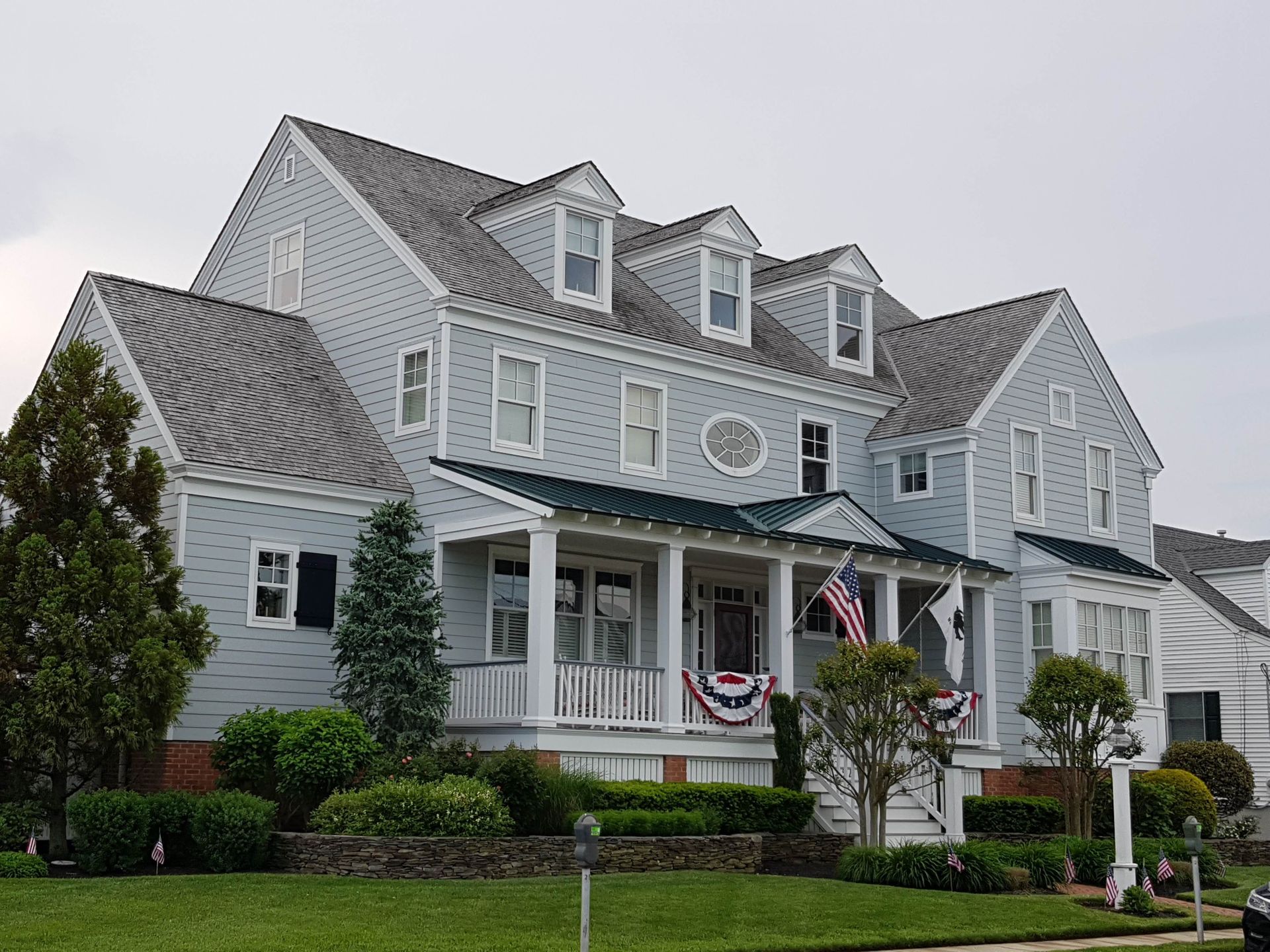
Walking into a brand-new, never-lived-in home feels different from buying a resale.
The paint is fresh, the appliances still have the plastic film on them, and no one has ever slept under that roof before you.
Because of this, many first-time buyers ask a logical question:
"Since I'm the very first person to live here, do I really need title insurance? Who could possibly have a claim on a brand-new house?"
The short answer is yes — absolutely. In fact,
a newly constructed home can carry more hidden title risk than an older, established property
, not less. Here's why title insurance is non-negotiable on a new-construction purchase, and why having a real estate attorney review the deal matters even more than it does on a resale.
You're the First Owner of the House — But Not the Land
The structure is brand new, but the land underneath it almost never is. Before a developer broke ground on your subdivision or condo building, that parcel belonged to someone else — it may have been farmland, a commercial lot, or a property held by one family for generations.
Title insurance protects you from the legal history attached to that
land
, not just the structure sitting on top of it. A clean-looking new build doesn't erase decades (or centuries) of prior ownership, liens, or claims tied to the underlying parcel.
Top 3 Title Risks Unique to New Construction
-
Mechanics' Liens From Unpaid SubcontractorsBuilding a home requires dozens of separate crews — excavators, framers, plumbers, electricians, roofers. The general contractor is supposed to pay these subcontractors out of the funds you or your lender provide. If the builder runs into financial trouble or simply fails to pay a subcontractor, that unpaid sub can file a mechanics' (or "construction") lien against your new home. In New Jersey, this process is governed by the Construction Lien Law, N.J.S.A. 2A:44A-1 et seq. — and importantly,even if you paid the builder in full, an unpaid subcontractor can still have legal grounds to force a sale of your house to recover what they're owed. -
Easement and Boundary DisputesDevelopers divide large tracts into dozens of individual lots, and in the rush of surveying and platting, mistakes happen. Without title insurance, you could discover — sometimes years later — that your driveway crosses onto a neighbor's lot, or that a utility company holds an unrecorded easement letting it dig up your backyard to service a water main. - The Developer's Financial Problems
If the builder fell behind on property taxes during construction, those back taxes can attach directly to your lot. And if the builder took out a construction loan to fund the development, a title search confirms that loan has been fully satisfied — so it doesn't carry over and attach to your individual property.
The Two Policies You'll See at Closing
Just like on a resale, you'll encounter two distinct title insurance policies on a new-construction deal:
Lender's Title Insurance Policy
— If you're financing the purchase, your bank will require this. They won't fund a mortgage on land they haven't confirmed is free and clear.
Owner's Title Insurance Policy
— This protects
your
down payment and equity. It's technically optional, but skipping it leaves you exposed if an unpaid subcontractor sues or a boundary dispute surfaces after closing. ALTA's consumer education resources
break down the difference between these two policy types in more detail.
Pro Tip for New-Construction Buyers
Builders will often steer you toward their "preferred" affiliated title company, sometimes dangling upgrades or closing-cost credits if you go along with it.
The incentive can be tempting, but remember:
you have the legal right to choose your own title company and your own attorney.
A builder's preferred provider has a business relationship with the developer — not with you. Buyers who are unsure of their rights or who want a second opinion on a quoted premium can also reach out to the NJ Department of Banking and Insurance, which regulates title insurance rates and practices in the state.
An experienced real estate attorney represents
only your interests
— reviewing the builder's contract, scrutinizing the title commitment, and confirming that subcontractor lien waivers are properly collected at each stage of construction before you ever get to the closing table. What to Expect When a Real Estate Attorney Reviews Your Contract.
If you're working through this process for the first time, be sure to check out our First Time Homebuyers
page as it walks through what to expect from contract to keys-in-hand. Or reach out to our partners at Title Trust.
Buying new construction in New Jersey?
Don't sign the builder's contract without a legal review. Kaplan Law Office
can examine your purchase agreement, review your title commitment, and help you close with full protection. Contact Us
to schedule a consultation today!
Frequently Asked Questions
Is title insurance required for new construction homes?
Lender's title insurance is required by virtually every mortgage lender, regardless of whether the home is new or resale. Owner's title insurance is optional but strongly recommended, especially given the mechanics' lien and boundary risks unique to new builds.
Can a subcontractor put a lien on my new home if I already paid the builder in full?
Yes. Under New Jersey's Construction Lien Law, an unpaid subcontractor or supplier may still have lien rights against your property even if you paid the general contractor in full — the lien follows the unpaid work, not your payment history with the builder.
Do I have to use the builder's recommended title company?
No. Buyers always have the legal right to select their own title company and attorney, regardless of what a builder's sales office suggests or incentivizes.
Recent Posts